Stage play ‘The Call’ focuses on mental health and suicide in Jamaica
Article By: Old Harbour News
-

- Jul 28, 2026 10:47 AM | Entertainment, Lifestyle
-
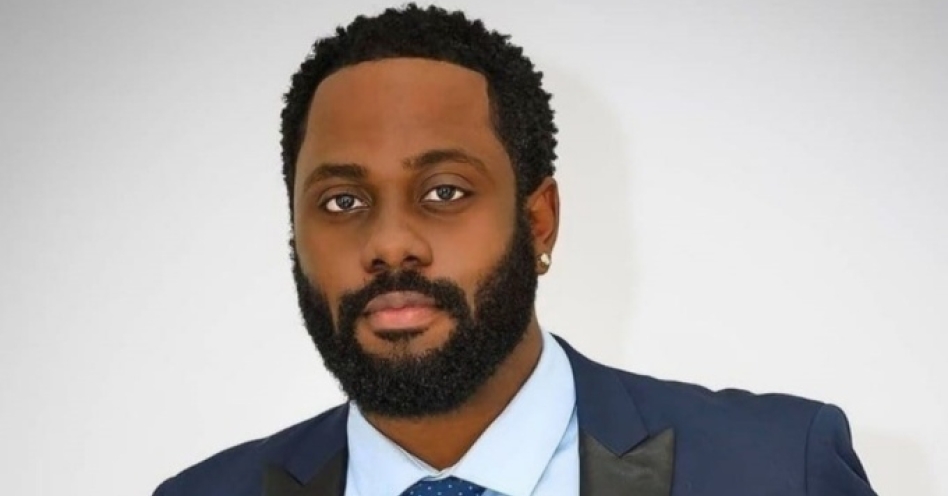
Akeem Mignott
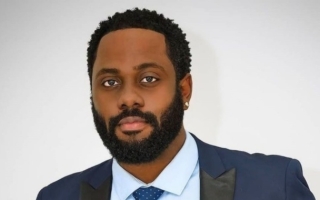
Entitled ‘The Call’ and starring actor and Prime Minister Youth Award winner Akeem Mignott, the play shed light on the mental health struggle of persons in law enforcement, which too often results in murder, suicide or both.
Alongside Mignott, ‘The Call’ starred Julene Robinson and David Crosskill; and follows a Jamaican police officer who books himself a cheap room at a hotel with the intention of taking his life but then makes one final attempt via video call to reach out to his ex-girlfriend whom he sees as the cause of his current pain, but instead is confronted by her and her new fiancé. Finding the situation difficult to navigate mentally, he taunts them by threatening to take his life as they watch on video.
According to Mignott, who is current Head of Drama at Loxford School in London, the play dives into issues such as masculinity, love, regret, and emotional isolation. “I played Timothy, and he enters the story during a very tense and emotional moment where he's caught between supporting the woman he loves and trying to help someone who is clearly in distress,” Mignott said. “What I really liked about Timothy is that he could have easily been portrayed as the villain of the story, but he isn't. He's compassionate, understanding, and recognises that people are often carrying burdens that we can't see. I think that's what makes him such an interesting character.”
In doing his research, Mignott said what quickly became evident was the immense pressure faced by members of both the JCF and JDF. “These are professions that often involve sustained exposure to trauma, stress and long working hours. For at least the last decade, every year at least one law enforcement officer has died by suicide or been involved in some form of domestic dispute that ended in a loss of life. What became clear is that concerns around mental health, burnout, depression, and emotional wellbeing are very real. Yet there is still a stigma attached to speaking openly about these challenges, particularly in professions where people are expected to appear strong and resilient at all times,” he said. “At the same time, this isn't an issue that only affects the security forces as similar challenges exist across many workplaces and industries. That's why I believe conversations around mental health and wellbeing need to become more normal and more accepted throughout society.”
Mignott, who is also the playwright, shared that he chose such a heavy subject matter because he believes theatre should reflect life. “Sometimes life is funny, joyful and uplifting, and sometimes it's difficult and uncomfortable. ‘The Call’ came from a desire to explore mental health, loneliness, and the pressures that many people carry every day but don't always talk about,” he said. “While the story centres around a police officer, it's really about people. It's about what can happen when someone feels isolated and believes they have nowhere to turn. It's not an easy subject, but I think difficult conversations are often the ones worth having. If someone leaves the theatre and decides to check in on a friend or reach out for support, then the play has achieved something important.”
The response, he said, was incredibly encouraging. “I got to use this platform to show a story that wouldn't necessarily be staged commercially because as Jamaicans we rather watch a comedy play to laugh instead of thought-provoking ones. Hopefully these conversations continued. As a creative, that's what we hope for. We hope the experience doesn't stop when the lights go down. We hope it sparks conversations in homes, workplaces, and communities,” he said.
“I'm not a psychologist, but I do think there are practical things organizations can do. Creating safe spaces where employees can speak honestly without fear of judgement is a good place to start. Regular wellbeing check-ins, peer-support programmes, access to counselling, and mental health training for managers can all make a positive difference. I am not saying some of these things are not being done but there is room for improvement at the workplace level as well as national policy level. More importantly, I think we need to change workplace culture. Too often people feel they have to struggle in silence because asking for help is seen as weakness. We need to get to a place where conversations about mental health are as normal as conversations about physical health.”