WHO warns cancer cases could reach 35 million annually by 2050
Article By: Old Harbour News
-

- Jul 10, 2026 10:06 AM | Health, International
-
The warning comes from the newly launched Global Status Report on Cancer 2026: The Future we Choose Together, a comprehensive assessment that reveals a world divided by a profound and widening cancer care gap.
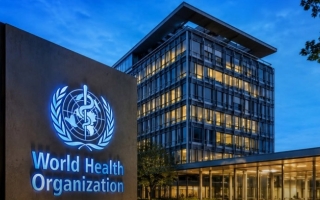
The report, published July 8 by the WHO and its cancer agency, the International Agency for Research on Cancer (IARC), estimates that there were 20.6 million new cancer cases and close to 10 million deaths in 2024. This makes cancer the second leading cause of death globally, claiming more than 26,000 lives every day.
While high-income countries have made significant strides in treatment and early detection, the report paints a devastating picture of inequity. It finds that a person's chance of surviving cancer is heavily determined by their country's wealth.
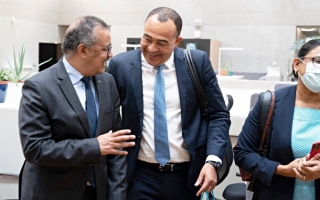
"Cancer is a deeply personal disease that touches nearly all of us. But whether a person survives cancer should never depend on where they were born or what they earn," said WHO Director-General Dr. Tedros Adhanom Ghebreyesus. "The inequities documented in this report are not inevitable; they are the consequence of choices, and they can be reversed through stronger and unified action."
The disparity is most starkly illustrated by survival rates for breast cancer. In high-income countries, 87% of women survive at least five years after their diagnosis. In low-income countries, that figure plummets to just 42%. This is driven by a severe lack of access to essential services. Fewer than one in three countries currently includes cancer care in their universal health coverage packages. The availability of the top 20 priority cancer medicines ranges from just 9% to 54% in low- and lower-middle-income countries, compared to up to 94% in wealthier nations. The report also notes that 23 countries still lack any radiotherapy facilities.
The report highlights regional disparities, with Asia bearing the largest share of the burden due to its population size, accounting for over half of all global cases and deaths in 2024. Europe faces a disproportionately high burden, contributing 21% of cases despite having only 9% of the world's population. Conversely, many African countries experience lower incidence but disproportionately high mortality rates.
Lung cancer remains the leading cause of cancer death globally, with tobacco use the primary driver. However, the cancer profile is evolving, with risk factors such as obesity, physical inactivity, unhealthy diets, and air pollution playing an increasingly significant role. The report emphasizes that nearly 40% of cancer cases are linked to preventable risk factors.
For the first time, the WHO included a survey on the lived experiences of people affected by cancer. The findings reveal a hidden human and economic toll: at least 45% of those affected experience financial hardship, more than half report mental health challenges, and nearly all caregivers experience strain, including unpaid work and social isolation.
To address this crisis, the report proposes a new framework based on three strategic shifts: Better Capabilities (integrating cancer control into universal health coverage), Better Protections (placing people with lived experience at the centre of cancer systems), and Better Value (aligning research with public health needs). It provides seven recommendations to guide governments and stakeholders in turning this vision into reality.
"The choices made and actions taken today will shape the cancer burden borne by future generations," the report concludes, urging a fundamental shift towards a people-centred approach to ensure that progress against cancer reaches everyone, everywhere.